Heirloom Varieties – why They Matter
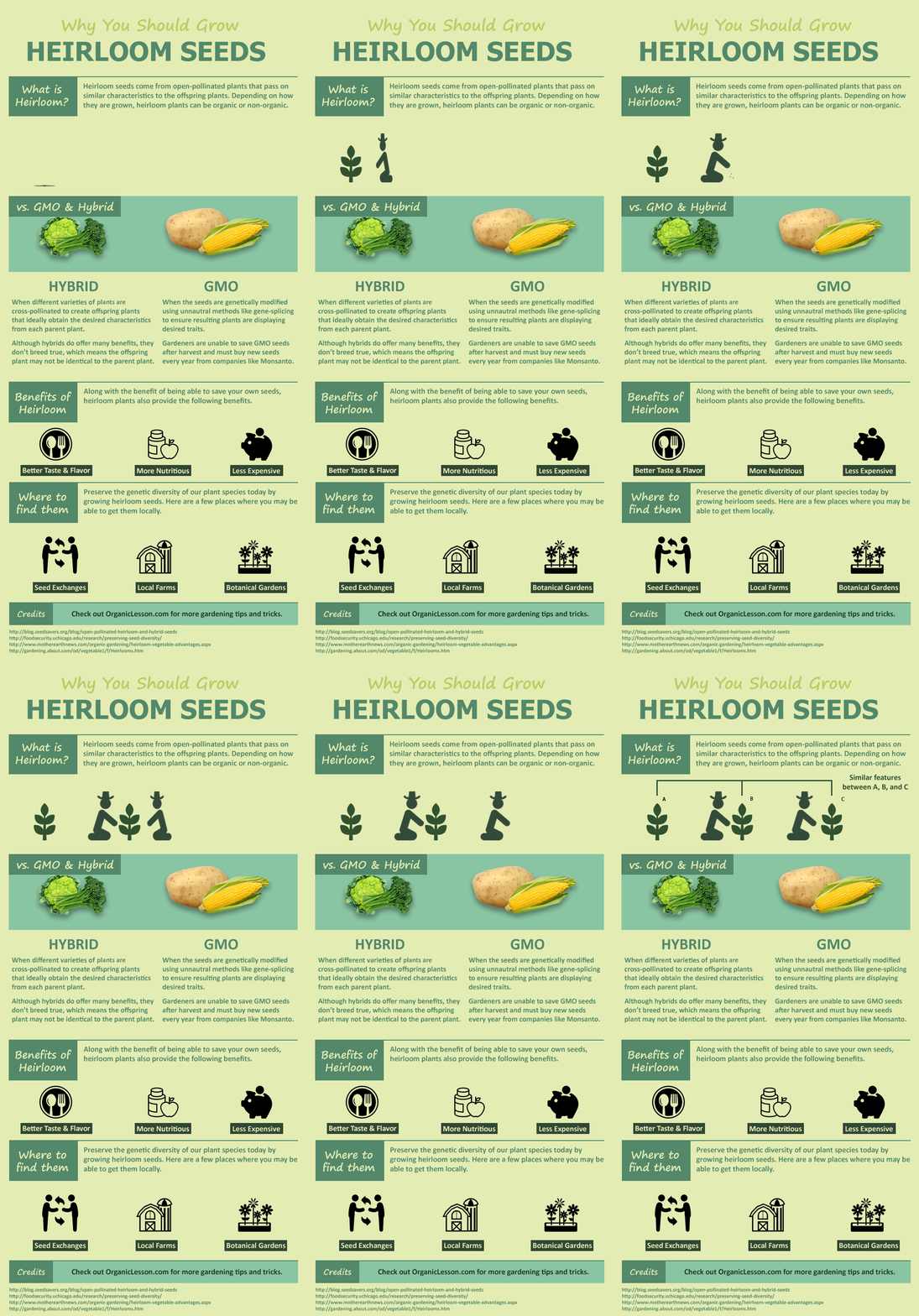
An Heirloom variety denotes a traditional variety of plant which is not associated with large-scale commercial agriculture.
Heirloom varieties are propagated by preserving seeds from a generation of plants, using some of it the next cycle, preserving seeds of that generation etc. In this manner, the genetic material of Heirloom varieties is picked for desirable characteristics such as:
- Disease resistant: If the plant fared better in naturally dealing with a set of pests, then the seeds will have that genetic imprint over generations
- Drought resistant: ensuring plants are picked that can do well with very little water
- Taste and nutrition
On the other hand, we have hybrid plant varieties that come from hybrid seeds. In this case, seeds are generated by a controlled method of pollination in which the pollen of two different species or varieties is crossed by human intervention.
Typically hybrid seeds are selected for the desirable characteristic of yield. Ie, the amount of output (either grain, lentil, vegetable etc) is maximised per acre of land it is grown on.
While maximising yield isnt an undesirable or negative thing, hybrid varieties suffer from the following disadvantages:
are grown by combining two or more plants together to get desired traits such as more yield, resistance to certain pests, etc. However, heirloom varieties are kept untouched to retain those very qualities that they already possess.
Heirloom varieties are becoming scarce these days due to an influx of modified varieties that give more output.
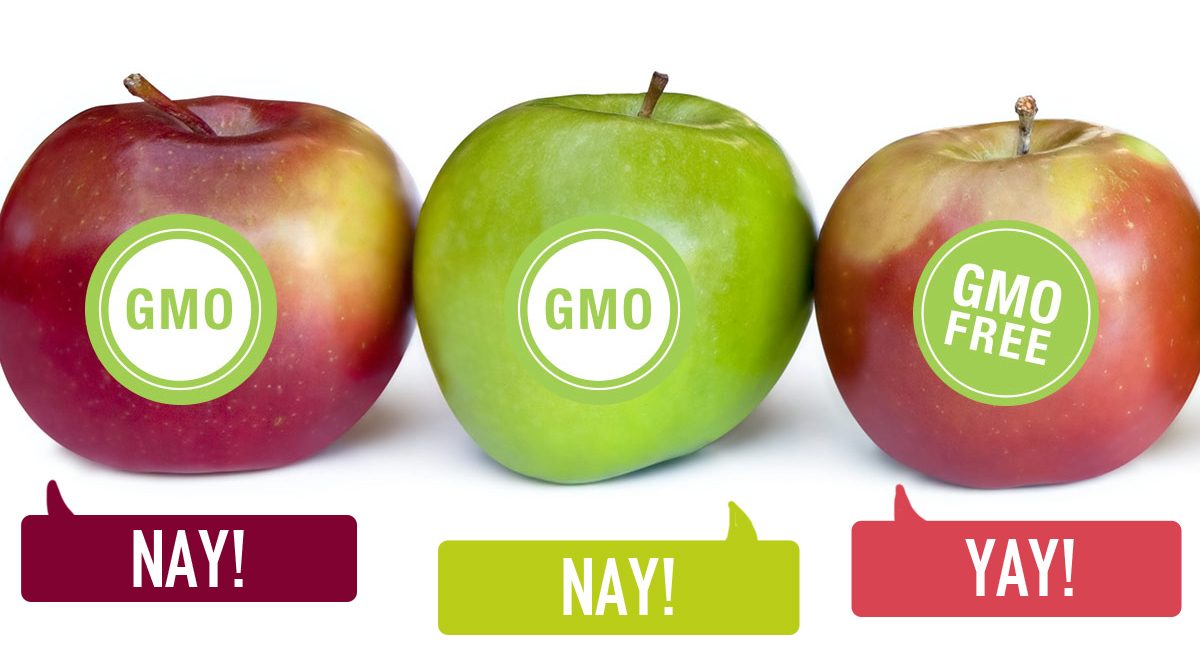
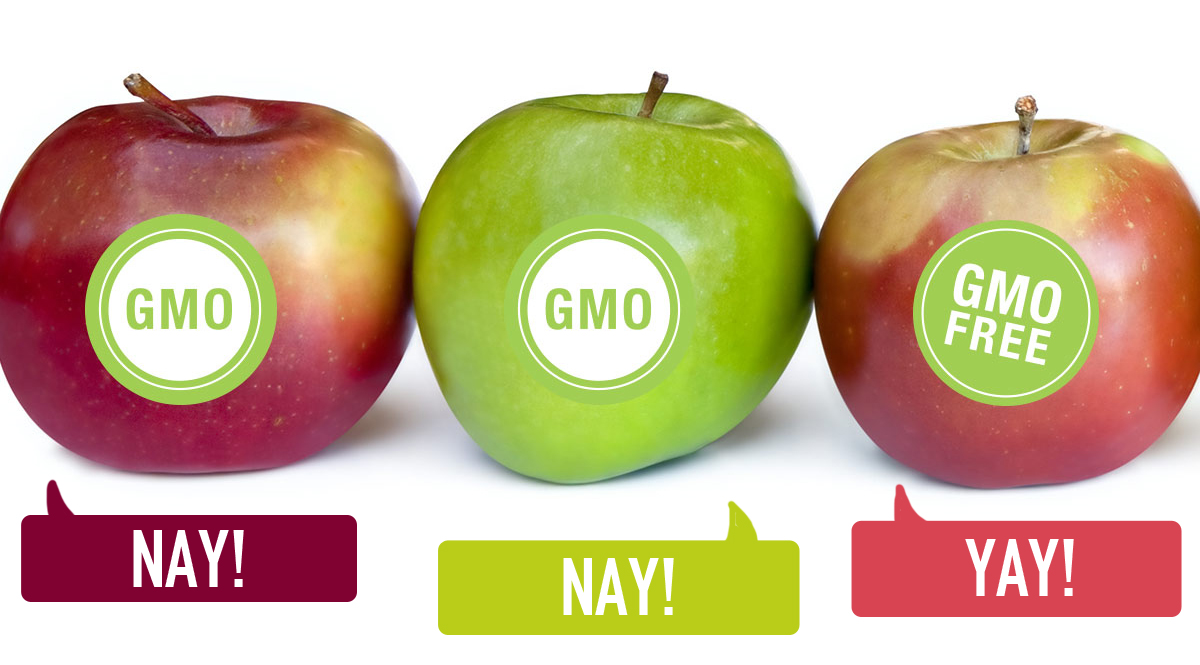
By definition, heirloom varieties are purely non-GMO (genetically modified organisms). These weren’t specifically bred to give it certain qualities – instead they were safeguarded and passed on from generations to keep certain qualities.
Why Heirloom Varieties Matter:
Here are a few advantages of heirloom varieties and heirloom seeds:
1. Heirloom Varieties Taste Better:
Heirloom vegetables and fruits taste much better than their GMO and hybrid counterparts. This is because they’ve variedc the same taste over generations. The only downside to some may be the weird shape or size that these heirloom varieties take.
2. Heirloom Varieties are Much More Nutritious:
GMO foods are grown with the sole intention of increasing yield. Heirloom varieties, on the other hand aren’t grown with any such intention. Though they give a lower yield, heirloom varieties are packed with more nutritious value.
3. Heirloom Varieties Yield Reusable Seeds:
In the case of GMO crops, the farmers often have to guy new seeds from companies such as Bayer, Mosanto, etc. However, heirloom varieties give reusable seeds, carrying the same qualities as the parent, thereby saving the cost of buying seeds every sowing season.
4. Harvested in Batches – Helps in Regulating Supply:
Heirloom crops aren’t grown all at once – they’re usually spread in small batches harvested throughout the year. This encourages us to buy more local produce.