
A Majority of Indian Farmers are Women – That’s Just the tip of the Iceberg
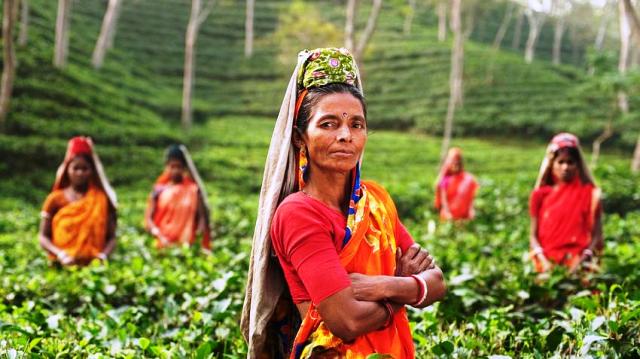
A majority of Indian farmers are women – their fight for recognition as an equal contributor in farming activities has been going on for too long. It is high time we acknowledge the efforts our women farmers put in and give them ownership rights & a sense of belonging.
The Unequal Half:
A simple look at employment figures show that pan-India, on an average, about 60-70% of the farmers are women. Women’s role in agriculture is often taken for granted.
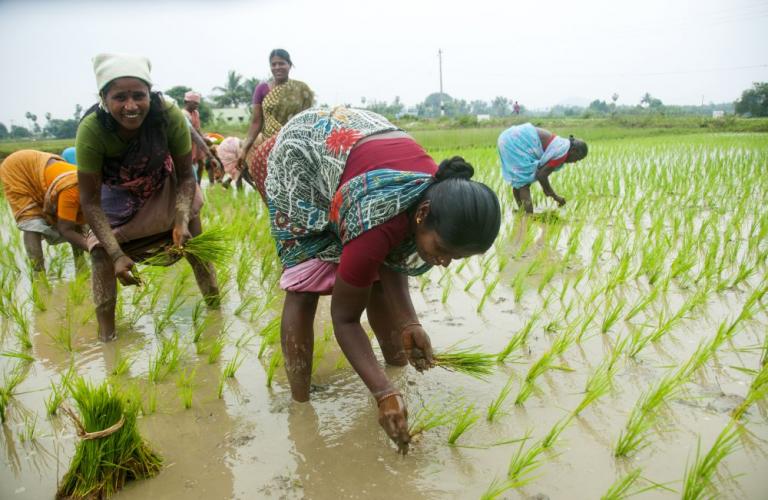
Women work in every single activity associated with agriculture, from tilling, seeding, irrigation, to harvesting. Even though women are so closely associated with agriculture, levels of land ownership among women farmers are very low.
According to the 2010-2011 Agricultural Census, only 12.76% of the women in agriculture own land. In total, women owned only 10.36% of the total land.
These figures vary from state to state. The highest figure comes from Uttar Pradesh, at around 18%, while Kerala, India’s most educated state clocks in at a meagre 14%.
Problems Faced by Indian Women Farmers:
Women farmers face their share of problems. Most of these are left ignored and the ones that come to light are left unsolved. A lot of problems women face arise due to the fact that they don’t get fair ownership of land. With land ownership being a problem by itself, this forms a deadly cycle, where women neither get land ownership, nor the benefits of land ownership.
Here are a few problems women farmers face in India:
- Biased Inheritance Laws: India’s inheritance laws are a nightmare – women don’t get their fair share of inheritance. This is due to a host of social issues as well as legal red tape, wherein the process takes so long that people abandon their quest for justice. Most of the landless women farmers either live on a daily wage or make very little every month – if she has to choose between feeding her family and fighting a court case, she’s going to choose the former.
- Ghost-Farmers: Though a majority, women farmers don’t get recognized for any efforts they put in. Most of the references to farmers will include the masculine pronoun – this shows the extent to which women farmers are ignored. Even when they put in their best work, their work isn’t acknowledged and for the most part taken for granted.
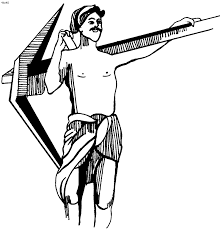
| The Iconic Image of a Farmer | Despite contributing more to agriculture than their male counterparts, females don’t get their share of representation. - Biased Social Outlook: Problems of land ownership don’t just stem from legal issues – laws can be circumvented quite easily if there’s enough social validation. The problem here is the social attitude that’s biased in favor of men. Most patriarchal societies don’t allow women to have lands registered in their name. This brings us to the next point.
- Lack of Access to the Agricultural Value Chain: Irregular land ownership among women or landless women farmers are at a clear disadvantage when it comes to raising funds and getting a decent income.
Lower land holdings among women farmers means a lack of access to the agricultural value chain. Even in farmers’ markets, farmers need to be connected enough to sell their produce at the best price.
- Lack of Access to Credit Facilities: Since women don’t own a lot of land, it becomes very difficult to get loans to kickstart their farming activities. Farming requires a significant investment in the form of seeds, tractors, fertilizers, pesticides, etc. Lack of these credit facilities makes it difficult to for these farmers to stay floating. These farmers then turn to non-institutional sources of finance, such as moneylenders, loan sharks, etc. High rates of interest coupled with highly inconvenient repayment turn women away from agriculture.
The Bottom Line:
At Daana, a lot of our associated farmers are women. It is an absolute pleasure to mention that all our women farmers are self-sufficient and quite passionate about their farms. The love and care with which they tend to their crops is marvelous. The knowledge that some of these farmers hae gathered over the years is unbelievable.
Want to learn more about what plagues the Indian woman farmer? What better way than to hear it first hand! Do a little research, look up some of the successful women-run farms in your area. These farms make for great day-trips and are very educational for everyone.
Daana wishes all its readers a very happy International Women’s Day!