
It’s Time we Addressed the Elephant in the Room – Pesticides
Every morning, I make sure I eat at least one fruit per day. I’ve had this habit since high school, and I follow it religiously. It’s no wonder I don’t fall ill very often – the vitamins and minerals in fruits sure help.
However, of late, I’ve been having some troubling thoughts. I was watching a documentary on widespread use of pesticides and how they’ve permeated the world’s food supply chain – that got me thinking. How healthy is the fruit that I so religiously eat every morning? Is it even safe to consume given the number of pesticide treatments it has gone through?

That’s when I decided to turn my curiosity into action. Here are a few things I found:
Mass-produced fruits and vegetables are usually protected from pests & insects using some form of chemical pesticides. These chemical pesticides not only kill existing pests on crops, but also protect them from future attacks. While that may sound like a good thing, the downside is that chemical pesticides often get absorbed into the produce, which might even make it onto your dining table.
Pesticides are often quite important in farming, as they help save and protect crops from pests and insects. The problem is inorganic, chemical fertilizers whose use is quite widespread even today. Instead, organic pesticide works just as well and is very safe to use. Common items such as Neem leaves, Citric Acid & Cayenne Pepper, etc. are great organic alternatives to chemical pesticides.
We Risk Exposure Every. Single. Day.
Pesticides and their related chemicals aren’t just restricted to farms. You & I are exposed to chemical pesticides every single day. That chemical you used to get rid of cockroaches in your kitchen? Herbicide you’ve used to kill weeds in your lawn? Fungicide you’ve used to get rid of fungus attacks in your garden? Bug spray? All of them use chemicals found in pesticides. To get rid of pesticides completely is a mammoth task, and one that requires lots of vigilance. Getting rid of pesticides doesn’t just involve buying organic produce – it involves living an observant life; one that revolves around the ideas of healthy living as a whole.
How Pesticides Affect the Environment:
It is common knowledge that pesticides affect the environment in many ways. The most common thing we keep hearing about is how pesticides might get absorbed in underground water reserves. This process is known as “leeching”.
It is not just underground water reserves that get polluted – rivers, lakes, oceans, etc. also absorb pesticides. For example, a farmer growing watermelon near a river bed uses pesticides to ward off pests and insects. This might get absorbed into the water and end up polluting the entire water body.
Almost every month, we see a picture of dead fishes, turtles, etc. on social media. Pesticides killing aquatic life throws the entire ecosystem off track.
Another way pesticides pollute the environment is “volatilization”. Lots of times, when pesticide is sprayed onto plants and in farms, a small amount gets vaporized, which allows it to travel through air. This creates breathing problems for humans who are exposed to this, as well as creating trouble for wildlife found in surrounding areas.
For example, a popular chemical found in pesticides, Atrazine has been found to cause reproductive issues in certain kinds of frogs. A study conducted by Berkeley seems to confirm this, as shown here.
Pesticides – How They Affect Humans:
Pesticides not only affect the environment we live in, but also have a direct impact on our health. The biggest problem here is that we don’t really know how much pesticide we’re consuming on a daily basis. When eating an inorganic fruit or vegetable, you should know that it’s been sprayed with at least 20 different chemicals that might have made their way into the fruit.
Pesticides and related chemicals get stored in the human body in the colon. These pesticides will poison you – albeit slowly, but surely.
Lots of studies show the link between pesticides and human conditions such as Alzheimer’s, ADHD, certain birth defects, etc.
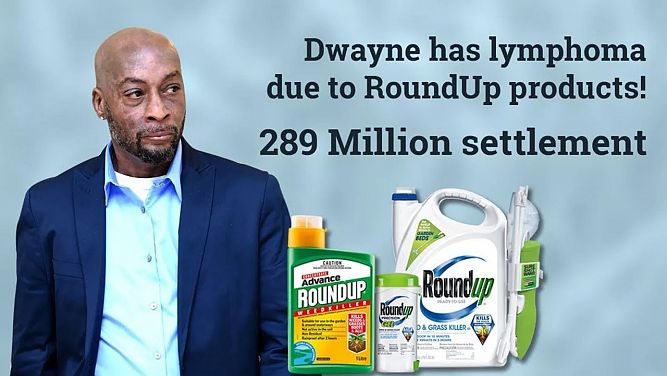
Glyphosate is another chemical that can get you killed. In a recent lawsuit, Mosanto, the maker of Roundup was ordered to pay $289 million as compensation to a person for causing his cancer.
What you can do:
As stated previously, we don’t really know how much pesticide we’re even consuming every day. While one fruit might not seem a lot, why don’t you add it up for the whole year? We do this our whole lives!
The first thing you can do to stay away from pesticides, is shop organic. While organic crops aren’t fully free of pesticides, they use organic pesticides such as Neem cakes, which are not nearly as damaging as chemical pesticides such as Atrazine and Glyphosate.

If you have plants at home, please avoid using chemical pesticides, herbicides and fungicides. Instead, use organic alternatives such as Neem cake, Cayenne pepper, etc.
It may be disheartening, but we’re limited in options as to how we can stay clear of pesticides. While shopping organic won’t do enough, it’s still something. We’re all fighting the same battle against chemical pesticides – do your bit. Stop using pesticides and produce grown using pesticides!