
A journey through time the historical evolution of gambling
The Origins of Gambling
The history of gambling can be traced back thousands of years to ancient civilizations. Archaeological evidence suggests that some of the earliest forms of gambling appeared in Mesopotamia, where clay dice dating back to 3000 BC were discovered. Similarly, Chinese records indicate that gambling activities occurred as early as 2000 BC, with the creation of keno slips. These early forms of gambling were often tied to religious or ceremonial activities, reflecting the cultural significance of chance and luck in society. Today, platforms like 11 Winner continue this legacy, offering modern experiences for bettors.
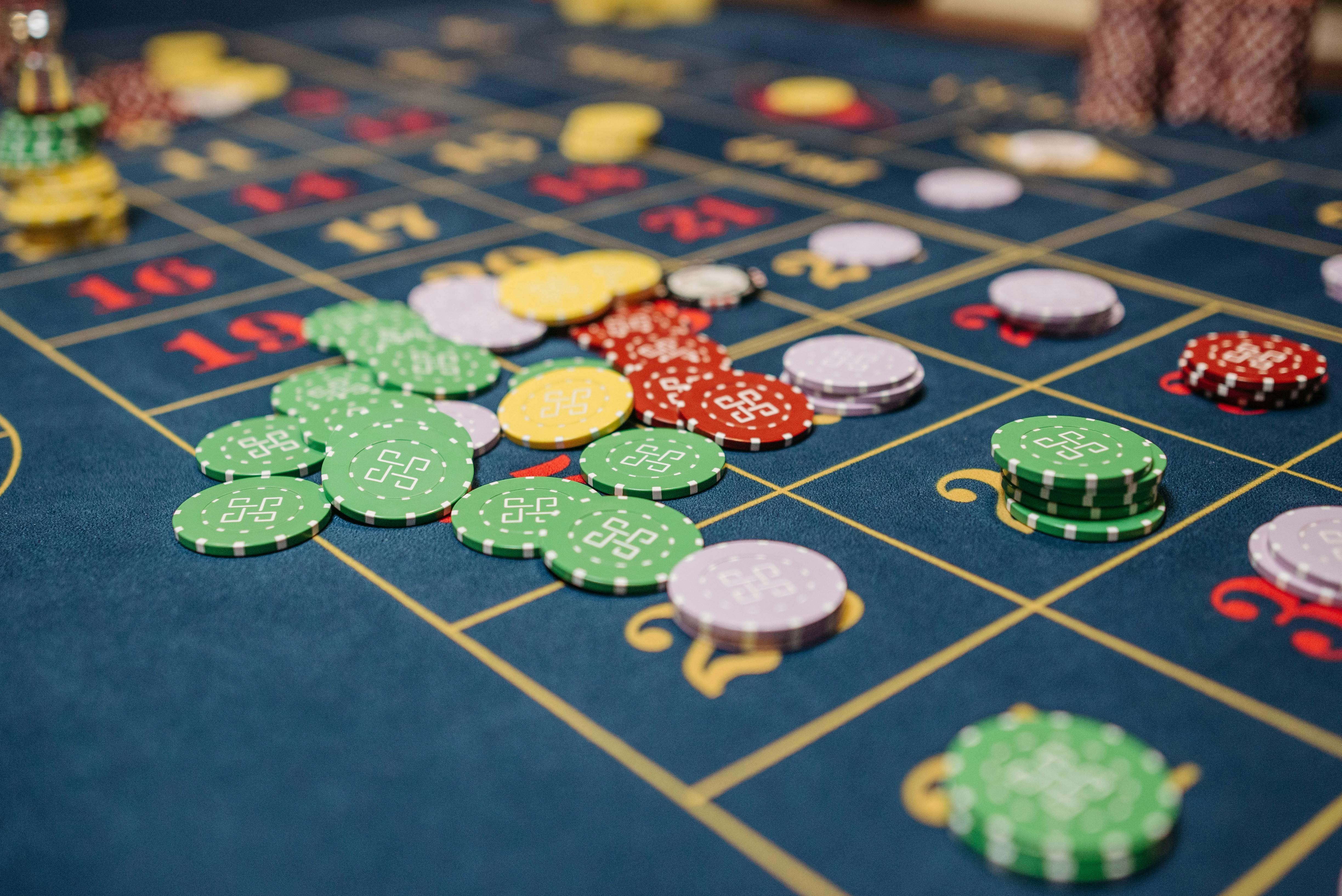
In ancient Rome, gambling became a popular pastime among citizens. The Romans developed various games of chance, including betting on gladiatorial contests and other public events. This era marked the transition of gambling from a ritualistic activity to a more recreational one, allowing the masses to engage in betting. The Roman influence also introduced the concept of organized gaming houses, which would later evolve into casinos, establishing a foundation for modern gambling establishments.
Throughout history, gambling was often met with opposition. In many cultures, it was viewed as a vice leading to moral decay. Religious texts, such as the Bible, contain admonitions against gambling. Nevertheless, despite societal backlash, the allure of betting on uncertain outcomes continued to thrive, illustrating humanity’s fascination with risk and reward.
The Middle Ages and Gambling Evolution
The Middle Ages saw a significant transformation in gambling practices. The introduction of card games, believed to have originated in China, spread across Europe, profoundly impacting gambling culture. These card games evolved into various forms, including poker and blackjack, which remain immensely popular today. The allure of skill-based games added a new layer to gambling, attracting players who wished to test their wits against others.
In addition to card games, the establishment of lotteries became increasingly prominent during this period. Monarchs and governments utilized lotteries as a means to raise funds for public projects, showcasing a more organized approach to gambling. This also laid the groundwork for state-run lotteries that are prevalent in many parts of the world today. The societal acceptance of gambling began to grow, although it still faced legal restrictions in many regions.
Despite its growing popularity, gambling during the Middle Ages was often associated with the lower class. However, as card games gained acceptance among the nobility, gambling began to be seen as an exclusive entertainment option. This shift in perception led to the formation of gambling clubs, where the upper echelon could engage in high-stakes games, further normalizing gambling as a social activity.
The Rise of Modern Gambling
The 18th and 19th centuries marked the rise of modern gambling as we know it today. The establishment of formal betting houses in England paved the way for organized sports betting, setting the stage for the modern betting industry. The introduction of the first official betting laws helped regulate gambling, ensuring fair play and providing a framework for responsible gaming. This marked a significant turning point, as gambling began to be recognized as a legitimate form of entertainment.
During this period, the concept of casinos emerged in Europe, especially in places like Venice and Monte Carlo. These establishments offered a variety of games, from roulette to baccarat, catering to the affluent and creating a glamorous atmosphere around gambling. The rise of the casino culture allowed for the expansion of gambling into a broader market, attracting visitors from across the globe.
The advent of the industrial revolution also influenced gambling, as urbanization brought people together in large cities where betting became increasingly popular. The rise of horse racing as a betting sport grew exponentially during this time, leading to the establishment of tracks and the birth of the modern racing industry. The connection between gambling and entertainment solidified, as people sought enjoyment in both betting and the thrill of watching their favorites compete.
The Digital Revolution and Online Gambling
The late 20th century heralded the digital revolution, leading to a seismic shift in the gambling landscape. The introduction of the internet in the 1990s allowed for the emergence of online casinos, creating an accessible platform for players worldwide. This innovation eliminated geographical barriers, giving individuals the freedom to gamble from the comfort of their homes. The rise of online gambling marked a new chapter in the history of gaming, transforming traditional practices into a digital format.
Online gambling platforms introduced an array of games, including slots, poker, and live dealer games, appealing to a diverse audience. The convenience of instant play, coupled with enticing bonuses and promotions, attracted many new players to the world of gambling. The inclusion of mobile technology further streamlined the experience, allowing users to engage in gaming activities on the go, leading to exponential growth in the online gambling industry.
However, this digital expansion also raised questions about regulation and responsible gaming. Governments worldwide grappled with how to effectively monitor online gambling while ensuring player safety. Various jurisdictions began establishing laws and regulations to protect consumers, regulate advertising, and promote responsible gaming practices. This evolution reflects a continuous adaptation to the ever-changing landscape of gambling as it enters the digital age.
The Future of Gambling
As we look toward the future, the evolution of gambling shows no signs of slowing down. Advancements in technology, such as virtual reality and blockchain, are set to redefine the gaming experience further. Virtual casinos could create immersive environments, enabling players to engage in lifelike gaming scenarios. Meanwhile, blockchain technology promises greater transparency and security, addressing some of the concerns associated with online gambling.
The increasing acceptance of cryptocurrencies also presents new opportunities within the gambling industry. Many online platforms are beginning to accept digital currencies, appealing to a tech-savvy audience. This trend is likely to reshape payment methods and user interactions within gambling environments, making transactions more streamlined and efficient.
As gambling continues to evolve, the importance of responsible gaming remains paramount. The industry is recognizing the need to implement measures that promote healthy gambling habits and minimize the risks associated with excessive betting. By embracing innovation while prioritizing player welfare, the future of gambling can be both exciting and safe for participants around the world.

Discovering 11Winner Casino
As the gambling landscape continues to evolve, platforms like 11Winner Casino stand out by offering a unique blend of international gaming standards with local features tailored for Indian players. With a user-friendly interface and a diverse library of games, 11Winner ensures that both new and seasoned players can enjoy a top-notch gaming experience. Their support for Indian Rupees and popular local payment methods enhances accessibility, making it easier for players to engage with their favorite games.
11Winner Casino goes beyond traditional gaming experiences by providing a seamless platform that caters to various preferences. From engaging slots to interactive live dealer games, the site is designed to keep players entertained while offering opportunities for real money winnings. The commitment to customer support ensures that players can receive assistance whenever needed, enhancing the overall gaming experience.
In a world where online gambling is increasingly prevalent, 11Winner Casino stands as a premier choice for Indian players. Their combination of generous welcome bonuses, 24/7 customer support in Hindi, and a wide array of gaming options positions them as a leader in the online gaming market, making them a go-to destination for entertainment and excitement.