
Debunking common gambling myths What you need to know
The Luck Factor: Are Gamblers Just Lucky?
One of the most persistent myths about gambling is that success is primarily a matter of luck. This notion leads many to believe that winning is merely a random occurrence, which can deter serious players from developing any strategic understanding of their games. In reality, while luck plays a significant role, especially in games like slot machines, skill and strategy are crucial in many other forms of gambling, such as poker or blackjack. Many risk-takers often explore resources like spin-dog-casino.org for guidance on improving their chances.
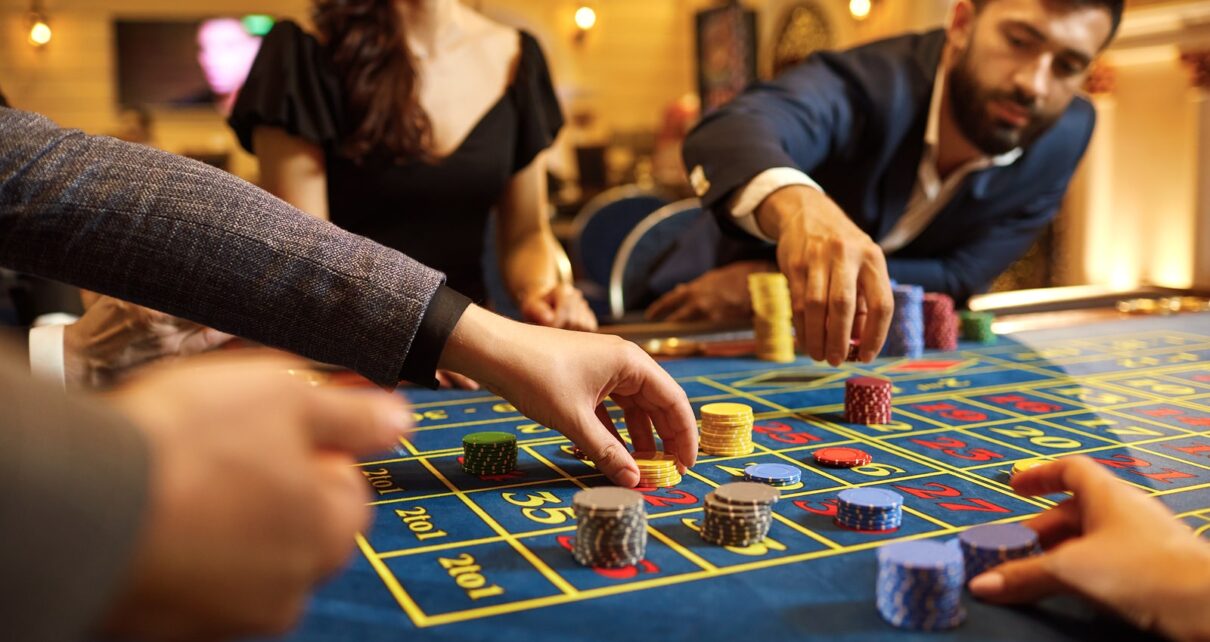
For instance, in poker, understanding the odds, reading opponents, and employing effective betting strategies can vastly improve a player’s chances of winning. It’s not just about the cards dealt but also about how players react to those cards. This distinction between luck and skill highlights the importance of education and practice in gambling, which often gets overshadowed by the allure of luck-based narratives.
The psychological aspect of believing in luck can also lead to detrimental gambling behaviors. Players may chase losses, thinking their luck will turn around, and this can result in harmful financial consequences. Understanding that successful gambling involves a combination of both skill and a degree of luck can promote healthier gambling habits and a more realistic approach to the gaming experience.
House Edge: The Casino’s Secret Weapon
Many gamblers operate under the misconception that they can beat the house, especially in games where they perceive they have some level of control. However, the house edge is a built-in advantage that casinos use to ensure profitability over the long term. This edge varies between different games, meaning some options are more favorable than others for players who want to improve their chances.
For example, in games like roulette, the presence of the zero (or double zero) on the wheel ensures that the house maintains an advantage. In contrast, blackjack offers better odds for players who employ optimal strategies. Understanding the house edge can help players make informed choices about which games to play, enabling them to enjoy a more strategic and fulfilling gambling experience.
Moreover, the concept of the house edge can be intertwined with psychological elements. Gamblers may underestimate the impact of this edge, leading them to overestimate their chances of winning. This misunderstanding can contribute to a cycle of continued gambling, often resulting in financial losses. Educating oneself about how games work, including the house edge, is essential for responsible gambling.
Gambler’s Fallacy: The Myth of Probability
The gambler’s fallacy is the mistaken belief that previous outcomes can affect future ones in a game of chance. For example, if a player sees that a roulette ball has landed on red several times in a row, they may mistakenly think that black is “due” to occur. This line of thinking is fundamentally flawed because each spin of the wheel is an independent event, with probabilities remaining constant.
This misconception can lead to poor decision-making and increased losses, as players may alter their betting strategies based on erroneous beliefs. Understanding that past results do not influence future outcomes is crucial for developing a rational approach to gambling. This knowledge can help players avoid falling into the trap of emotional decision-making that often leads to chasing losses or making reckless bets.
Furthermore, the gambler’s fallacy can be exacerbated by the thrill of gambling itself. The excitement of winning can cloud judgment, causing players to ignore statistical realities in favor of wishful thinking. By recognizing the gambler’s fallacy, players can adopt a more analytical mindset, allowing them to enjoy gambling as a form of entertainment rather than a means to financial success.
The Social Stigma of Gambling
Gambling often comes with a social stigma, portraying it as a vice rather than a legitimate form of entertainment. This negative perception can lead to misunderstandings about the motivations behind gambling. Many individuals gamble for enjoyment and social interaction rather than solely for financial gain. Understanding that gambling can be a recreational activity is essential to dispelling harmful myths.
This stigma can also prevent individuals from seeking help for gambling-related issues. Those who struggle with problem gambling may feel embarrassed or ashamed, leading them to hide their struggles rather than address them. Promoting open discussions about gambling as a valid pastime, while also acknowledging potential risks, is vital for fostering a healthier dialogue around the subject.
Education plays a crucial role in transforming perceptions of gambling. By highlighting responsible gambling practices and emphasizing the importance of moderation, society can shift its view from one of shame to one of understanding. This change could lead to better support systems for individuals facing challenges related to gambling, ultimately promoting a healthier relationship with gaming.

Enhancing Your Knowledge: The Importance of Understanding Gambling
With the myriad of myths surrounding gambling, it becomes evident that educating oneself is crucial for anyone engaging in this pastime. Knowledge can empower players to make informed decisions, whether choosing games, setting limits, or understanding the odds. A well-informed gambler is more likely to engage in responsible gambling practices, leading to a more enjoyable experience.
Many online platforms and resources are dedicated to providing accurate information about gambling. These websites offer insights into game mechanics, responsible gambling practices, and strategies that can enhance a player’s experience. By taking advantage of these resources, individuals can better understand the psychological and mathematical aspects of gambling, reducing the likelihood of falling prey to common myths.
Ultimately, the world of gambling can be both exhilarating and challenging. Embracing knowledge not only enriches the gaming experience but also fosters a culture of responsibility and awareness. Through informed gambling, individuals can enjoy their experiences while minimizing risks associated with gambling-related issues, making for a balanced approach to this popular form of entertainment.