
The fascinating journey of gambling through history's lens
The Origins of Gambling
The roots of gambling can be traced back to ancient civilizations, with evidence emerging from archaeological sites revealing games of chance played in Mesopotamia around 3000 BC. These early forms of gambling utilized rudimentary materials, such as dice made from animal bones and clay tablets inscribed with betting rules. As societies evolved, the allure of risking something of value in hopes of gaining more became increasingly ingrained in cultural practices. Today, for those looking to explore thrilling games, aviator india offers an exciting option that combines risk with the potential for substantial rewards.

In ancient China, gambling took a more structured form with the creation of games like Keno, which relied on chance and statistical probability. The Chinese also played a pivotal role in the development of card games, which eventually spread globally. Similarly, the Greeks and Romans embraced gambling, often associating it with social gatherings and military conquests, thereby embedding it deeply within their cultural frameworks.
The transition from informal betting games to more organized gambling activities marked a significant shift in societal norms. By the Middle Ages, gambling houses began to emerge in Europe, paving the way for the legal frameworks and regulations that would govern gambling in the years to come. This evolution set the stage for the multifaceted gambling landscape we witness today.
The Development of Gambling Regulations
The rise of organized gambling necessitated the establishment of regulations to prevent fraud and protect players. In 16th-century England, the Betting Act was introduced, laying the foundation for modern gambling laws. This legislative approach aimed to ensure fairness and transparency in betting transactions, marking a significant advancement in consumer protection. Over the centuries, various governments began to recognize gambling’s potential for taxation, further entrenching it within national economies.
In the United States, the gambling landscape evolved uniquely, particularly during the Gold Rush era. As prospectors flocked westward, gambling establishments emerged in booming towns, often operated outside legal frameworks. The resulting chaos led to a wave of reform in the late 19th and early 20th centuries, with Nevada eventually becoming the first state to legalize gambling, setting a precedent for regulation that continues to influence the industry today.
The establishment of regulatory bodies, such as the Nevada Gaming Control Board, has ensured that gambling operates under a system of checks and balances. These organizations have developed strict licensing procedures and oversight mechanisms to monitor gambling activities. Such regulatory measures not only protect players but also enhance the integrity of the gambling experience, fostering trust within the gaming community.
The Influence of Technology on Gambling
The advancement of technology has dramatically reshaped the gambling landscape, especially in the last few decades. The introduction of the internet revolutionized traditional gambling, leading to the rise of online casinos and betting platforms. Players can now access a vast array of games from the comfort of their homes, allowing for unprecedented convenience and accessibility. This transformation has also introduced new forms of gambling, such as online poker and sports betting, catering to diverse preferences.
Furthermore, the advent of mobile technology has taken the gambling experience to an even higher level. Smartphone applications allow players to engage in gaming activities anytime and anywhere, redefining the gambling experience. From virtual reality casinos to live dealer games, technology continues to innovate, creating immersive experiences that attract a new generation of gamblers.
As technology continues to evolve, the gambling industry faces both opportunities and challenges. Cybersecurity remains a critical concern, as the potential for fraud and identity theft grows. Consequently, operators must implement robust security measures to protect player data. Despite these challenges, the integration of technology into gambling has opened up avenues for growth, creating a dynamic and ever-changing landscape.
The Societal Impact of Gambling
Gambling has long been a contentious subject, often associated with both economic benefits and social issues. On one hand, the gambling industry generates significant revenue, contributing to job creation and local economies. Many communities benefit from taxes levied on gambling activities, funding public services and infrastructure projects. Additionally, the emergence of responsible gambling initiatives aims to promote healthy gaming habits and minimize potential harms.
Conversely, the societal impact of gambling extends to potential negative consequences, such as addiction and financial ruin. Problem gambling remains a pressing concern, prompting the need for awareness campaigns and support programs. Many jurisdictions have implemented measures to protect vulnerable individuals, including self-exclusion programs and mandatory warnings displayed in gambling venues.
Moreover, the stigmatization of gambling can hinder open discussions about its potential risks and benefits. Encouraging conversations surrounding responsible gambling can empower individuals to make informed choices. As the industry evolves, striking a balance between enjoyment and safety remains a critical challenge for stakeholders, including operators, regulators, and players alike.
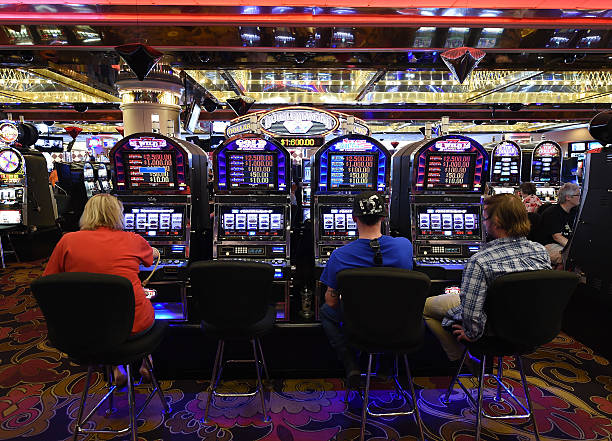
Exploring the Modern Gambling Landscape
Today, the gambling industry encompasses a vast array of offerings, from traditional casinos to innovative online platforms. The growing popularity of live dealer games has bridged the gap between virtual and physical experiences, allowing players to interact with real dealers via streaming technology. This fusion of traditional elements with modern technology enhances the immersive experience, drawing players into an authentic casino atmosphere.
Moreover, the increasing acceptance of esports gambling represents a significant shift in the industry. With a growing audience for competitive gaming, platforms now offer betting opportunities on esports events, tapping into a younger demographic. This development showcases the industry’s adaptability to changing consumer preferences and the need to remain relevant in a fast-paced digital world.
The future of gambling is likely to be defined by ongoing innovations and regulatory challenges. As more jurisdictions explore legalizing online gambling and sports betting, the landscape will continue to evolve. Keeping pace with technology, consumer expectations, and regulatory frameworks will shape the industry’s trajectory, promising an exciting future for both players and operators.