
Emerging trends reshaping the future of casino design
Integration of Technology in Casino Design
The landscape of casino design is rapidly evolving, primarily driven by technological advancements. Virtual reality (VR) and augmented reality (AR) are paving the way for immersive gaming experiences, allowing players to engage in ways previously unimaginable. Imagine stepping into a casino where every game transports you into a different universe, enhancing the excitement and thrill of gambling. For those interested in quick payouts, fast withdrawal casinos provide opportunities to access winnings efficiently. This technology not only captivates players but also streamlines operations, making it easier for casinos to manage their floor layouts and customer interactions.
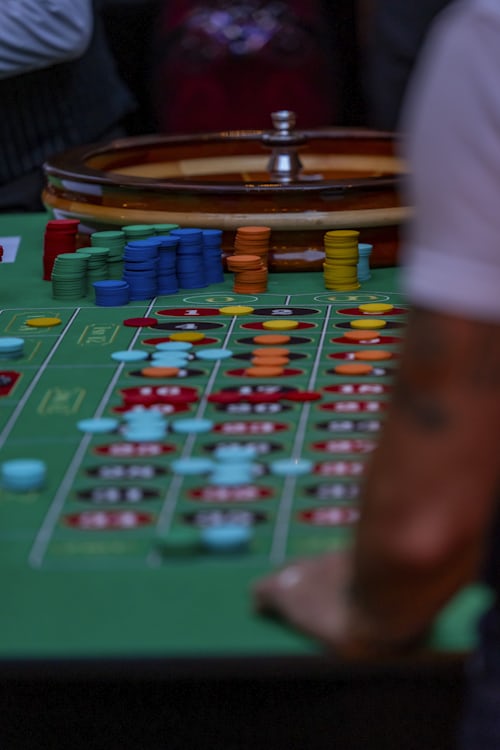
Moreover, the use of artificial intelligence is becoming increasingly prevalent in casino design. AI can analyze player behavior in real time, providing valuable insights into preferences and trends. This information allows casinos to tailor their environments accordingly, ensuring that the layout, lighting, and even the types of games available are optimized for player satisfaction. Such personalized experiences are expected to increase customer retention and enhance overall gaming experiences.
Interactive elements are also becoming a staple in modern casino design. Designers are now incorporating touchscreen interfaces and digital displays throughout the casino floor. These features not only serve as tools for information but also engage players in new ways, such as through social gaming experiences. Such integration makes the traditional gaming environment more engaging, appealing especially to younger audiences who value interactivity and immersion.
Focus on Sustainability and Eco-Friendly Practices
As awareness of environmental issues grows, the casino industry is adopting sustainable design practices to appeal to eco-conscious consumers. Modern casinos are increasingly incorporating green building materials and energy-efficient systems. For instance, using solar panels, energy-efficient lighting, and water conservation systems not only reduces their carbon footprint but also lowers operational costs. This dual benefit is becoming a critical selling point for casinos looking to attract a more environmentally aware clientele.
Another aspect of sustainability in casino design involves the layout and architecture of buildings. More casinos are being designed with natural elements that blend seamlessly with their surroundings, promoting an atmosphere of harmony with nature. Landscaped outdoor spaces, living walls, and indoor gardens are becoming more common, not only beautifying the environment but also contributing to better indoor air quality. This commitment to sustainability is increasingly influencing consumer choice, with players showing preference for venues that reflect their values.
Furthermore, casinos are adopting waste reduction and recycling programs, extending their sustainability practices beyond just design. These initiatives include composting organic waste from restaurants, reducing plastic use, and encouraging patrons to participate in eco-friendly practices during their visit. By integrating sustainable practices into their design and operations, casinos are not only improving their public image but also appealing to a growing demographic that prioritizes sustainability in their lifestyle choices.
Emphasis on Social Spaces and Community Engagement
The modern casino is shifting away from being solely a gaming hub to becoming a vibrant social space. The design of new casinos increasingly reflects this trend, emphasizing communal areas where people can gather, dine, and socialize. These spaces often feature lounges, bars, and entertainment venues that create a more welcoming atmosphere, encouraging guests to linger longer and engage in more activities beyond gaming. This shift aims to attract a broader audience, including those who may not traditionally partake in gambling.
Moreover, community engagement is becoming a priority in casino design. Casinos are increasingly looking to foster relationships with the local community by incorporating elements that reflect the culture and heritage of the region. This can include local art installations, culturally relevant dining options, and hosting community events. By creating a casino environment that resonates with local residents, establishments can build goodwill and encourage community support, which is crucial for long-term success.
Additionally, the integration of multi-purpose spaces within casinos is gaining traction. Areas that can host concerts, exhibitions, and other events can attract diverse crowds, generating excitement and drawing in visitors who may not otherwise consider entering a casino. This multifunctional approach not only enhances the casino’s appeal but also positions it as a central hub for entertainment, further solidifying its role within the community.
Personalization and Customer-Centric Design
The trend of personalization in casino design aims to create unique experiences tailored to individual preferences. As casinos adopt advanced data analytics and customer relationship management systems, they can gather insights that shape how space is used. For example, loyalty programs can inform the design of gaming floors, prioritizing areas for high-value players while ensuring that new visitors feel welcome. This customer-centric approach is essential for enhancing player satisfaction and encouraging repeat visits.
In addition, casinos are enhancing the personalization of services offered. From customized gaming experiences to tailored promotional offers, players are increasingly treated as individuals with specific preferences. Such attention to detail fosters a stronger connection between the establishment and its patrons, which is vital for building long-lasting relationships. This focus on the customer journey reflects a broader trend in the hospitality industry, where personal touches are becoming the norm.
The physical design of gaming areas is also evolving to support this trend. Flexible layouts that can be easily modified based on customer demand are becoming more common. For instance, modular gaming tables and movable partition walls allow casinos to adapt their environments quickly, catering to different types of events or varying crowd sizes. Such versatility not only enhances the customer experience but also improves operational efficiency, making it easier for casinos to respond to changing player needs.

About Our Website
Our website stands as a comprehensive resource dedicated to exploring the emerging trends in casino design. We provide in-depth analyses and expert insights to help casino operators, designers, and enthusiasts stay ahead of the curve. By focusing on current trends, we aim to foster informed decision-making in the casino industry, ensuring that establishments are well-equipped to meet the evolving expectations of players.
In addition to trend analysis, our platform features a wide array of articles and resources that cover various aspects of casino operations, including technology integration, sustainability practices, and customer experience enhancement. Whether you are a seasoned casino designer or someone curious about the industry, our website offers valuable information tailored to your needs.