
The Allure of Risk and the Thrill of Uncertainty
Gambling, particularly in casinos, is underpinned by a complex interplay of psychological factors that attract numerous individuals. The thrill of risk plays a critical role, as many people are drawn to the adrenaline rush associated with uncertain outcomes. This sensation can lead to a euphoric state, often referred to as ‘the gambler’s high’, which reinforces the behavior and encourages further participation, especially when they access their favorite games like the mr luck casino login platform. This cycle keeps players returning, as they chase the initial feeling of excitement that accompanies each wager.
Moreover, the lure of quick financial gain acts as a powerful motivator. The idea that a small investment can yield substantial rewards captivates many. Cognitive biases, such as the overestimation of one’s own luck or the belief in lucky patterns, further propel individuals to gamble. This creates a psychological environment in which players become increasingly engaged, often losing sight of the odds and statistical realities of the games they are playing.
The combination of excitement and the illusion of control creates a compelling experience that is hard to resist. Players may convince themselves that they can influence the outcome through skill or strategy, even in predominantly chance-based games. This misrepresentation of agency serves to increase their commitment and time spent at the casino, illustrating the psychological grip that gambling holds over many people.
The Role of Environment in Gambling Psychology
The environment in which gambling occurs significantly shapes the behavior of players. Casinos are designed to be stimulating spaces, filled with vibrant colors, enticing sounds, and strategic layouts that evoke excitement and tension. The absence of clocks and windows also contributes to a distorted perception of time, encouraging longer play sessions. This immersive environment can heighten a player’s emotional state, leading to impulsive decisions and prolonged gambling sessions.
Additionally, social interactions within casinos amplify the experience. Players often engage with dealers and fellow gamblers, which can enhance the excitement of the games. This social element creates a sense of community and shared experience, which can further compel individuals to participate in gambling activities. Feeling part of a group can provide social validation, making it easier for people to justify their gambling behavior.
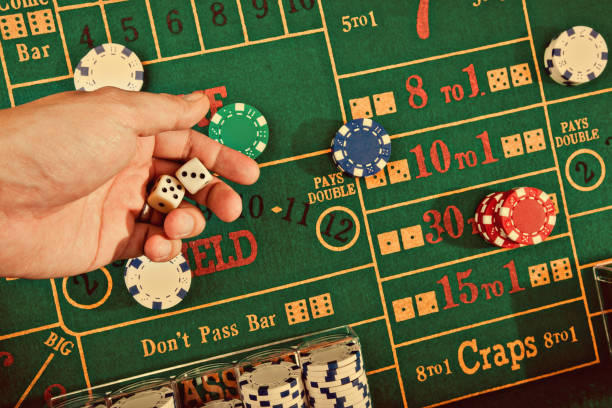
Moreover, the use of complimentary drinks and rewards programs creates a sense of loyalty among players. Casinos frequently offer incentives that make players feel valued, leading them to perceive their gambling as a worthwhile investment. This psychological manipulation, combined with the theater of chance, keeps players enthralled, making it difficult for them to recognize the potential hazards of excessive gambling.
Addiction and Emotional Triggers in Gambling
Gambling addiction is a significant psychological phenomenon, influenced by a range of emotional triggers. Many individuals use gambling as a means of escape from stress, boredom, or emotional distress. This behavior often leads to a reliance on gambling as a coping mechanism, creating a cycle where the individual believes they need to gamble to alleviate their problems. Understanding these emotional connections is crucial in addressing the underlying issues that lead to problematic gambling behavior.
The brain’s reward system plays a central role in the development of gambling addiction. Engaging in gambling activates the release of dopamine—a neurotransmitter associated with pleasure. This chemical response reinforces the behavior, making it more difficult for individuals to break free from the cycle. The anticipation of winning can create a compulsive urge, overpowering the rational mind and leading to decisions that contradict their best interests.
Awareness of these emotional triggers is essential for both gamblers and their loved ones. Recognizing when gambling is being used as a distraction from negative feelings allows for proactive steps toward healthier coping mechanisms. Counseling and support groups can provide strategies to manage these emotions, enabling individuals to regain control over their gambling habits and fostering a healthier relationship with gaming entertainment.
The Role of Cognitive Biases in Gambling Decisions
Cognitive biases significantly shape how individuals perceive odds and make decisions in gambling contexts. One prevalent bias is the ‘illusion of control,’ where players believe they can influence outcomes through their actions, even in games governed mostly by chance. This mistaken assumption can lead individuals to engage in riskier bets, as they rationalize their ability to beat the system based on perceived skills or strategies.

Another common cognitive bias is the ‘gambler’s fallacy,’ where individuals believe that past events affect future outcomes in random sequences. For instance, someone might think that a slot machine that hasn’t paid out recently is ‘due’ for a payout. This belief can lead to increased betting and longer gaming sessions, as players chase after what they believe to be an impending win.
The prevalence of these cognitive biases illustrates the importance of understanding the psychological mechanisms driving gambling behavior. By recognizing these biases, individuals can better navigate the complexities of their decisions and develop more informed approaches to gambling. Establishing awareness of these thought patterns can reduce the risk of excessive gambling and promote more responsible gaming habits.
Visit Our Website for More Insights on Gambling Psychology
Our website serves as a valuable resource for individuals seeking to understand the intricacies of gambling psychology. It offers comprehensive articles, expert insights, and practical advice about the motivations behind gambling behavior, the risks involved, and strategies for responsible gaming. By fostering a deeper understanding of these concepts, we aim to equip readers with knowledge that empowers them to make informed decisions about their gambling activities.
Additionally, we provide support materials for those who may be struggling with gambling addiction or seeking ways to help others. Our community forums allow users to share experiences and find solace among peers, creating a supportive environment for discussion around challenges and successes in overcoming gambling-related issues. The goal is to promote awareness and foster healthier interactions with gambling in society.
By delving into various aspects of gambling psychology, our platform encourages a better understanding of the motivations and consequences of gambling behavior. We believe that knowledge is key to promoting responsible gambling practices and helping individuals recognize when their gaming habits may be becoming problematic. Our commitment is to create a safe space for exploration and learning, ultimately contributing to a healthier gaming culture.